
Finding mould in your vehicle is more than just an eyesore; it can quickly become a health risk for you and your passengers. That is why understanding mold removal for car interior is crucial for every car owner in 2026.
This expert guide will walk you through the entire process, from identifying the early signs of mould to using the latest science-backed removal techniques. You will discover safe cleaning methods, professional advice, and proven prevention strategies.
By the end, you will have the knowledge to keep your car’s interior fresh, healthy, and free from hidden dangers.
Understanding Car Interior Mould: Causes, Risks, and Signs
Discovering mould in your car is more than an aesthetic concern. It is a hidden threat that can impact your health, your vehicle’s value, and your comfort. To address mold removal for car interior challenges effectively, it is vital to understand what causes mould, the risks it poses, and how to recognise its early warning signs.
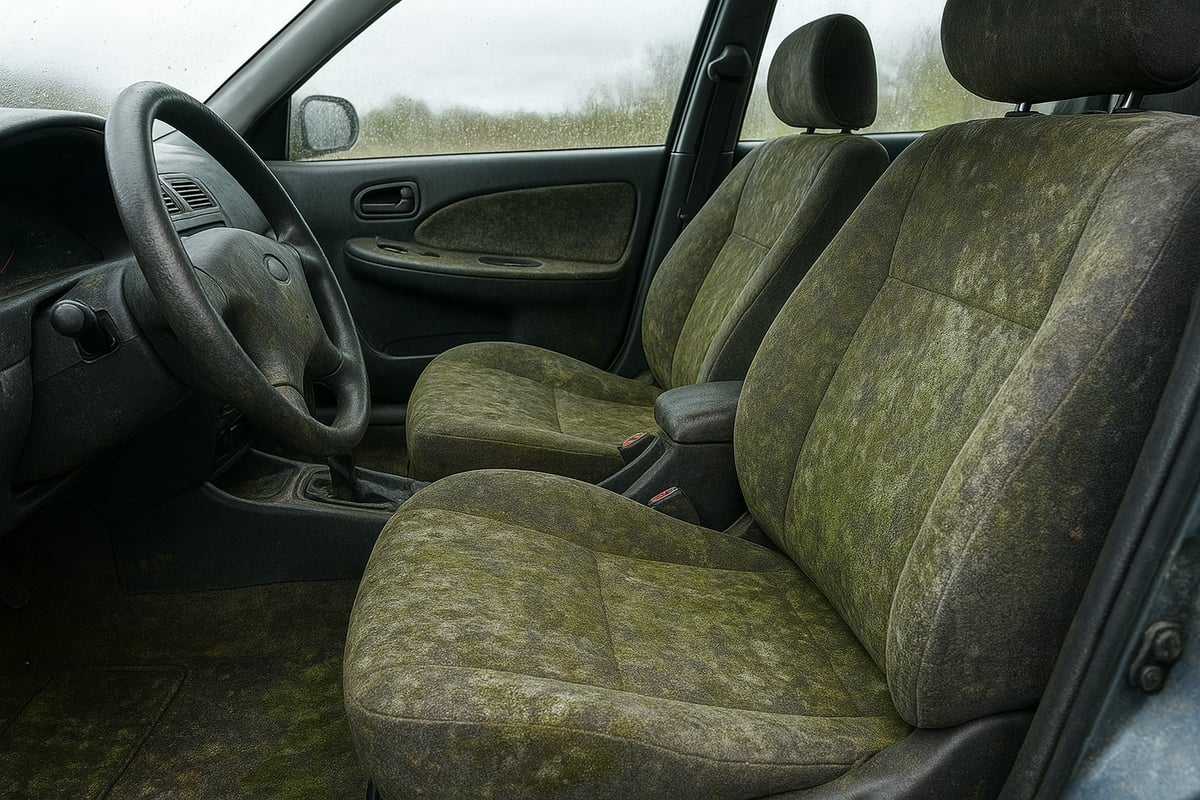
What is Car Interior Mould?
Mould is a type of fungus that thrives in damp, poorly ventilated spaces. In car interiors, the most commonly found species include Aspergillus, Penicillium, and Cladosporium. These microscopic organisms reproduce by releasing spores, which can settle deep within fabrics, carpets, and ventilation systems.
| Mould Type | Common Location | Health Impact |
|---|---|---|
| Aspergillus | Carpets, seats | Respiratory irritation |
| Penicillium | Upholstery, panels | Allergic reactions |
| Cladosporium | Vents, headlining | Asthma triggers |
The presence of these moulds means mold removal for car interior is not just about cleaning—it is about protecting your wellbeing.
Causes of Mould Growth in Vehicles
Several factors contribute to mould growth inside cars. The main causes include:
- Excess moisture from leaks or flooding
- Wet upholstery from spills or rain
- Poor ventilation, especially during storage
- High humidity after cleaning or washing
- Pets or children bringing in damp items
Manchester’s famously damp climate can accelerate this process. Even a small unnoticed spill can create the perfect conditions for mould to develop, making mold removal for car interior an urgent need.
Health Risks: Why Mould in Cars is Dangerous
Exposure to mould spores can cause a range of health issues, from mild allergies to severe respiratory conditions. NHS data highlights that mould-related illnesses often include asthma attacks, persistent coughing, and, in rare cases, infections. According to the UK government’s health risks of damp and mould, even short-term exposure can exacerbate symptoms in children, the elderly, and those with pre-existing conditions.
For anyone considering mold removal for car interior, understanding these risks underscores the importance of timely action.
Signs and High-Risk Scenarios
How do you know if your car is affected? Watch for:
- Visible black, green, or white spots on seats, carpets, or panels
- Persistent musty odour
- Foggy windows, especially in the morning
- Discolouration or staining on upholstery
High-risk vehicles include family cars, those transporting pets, vehicles left unused for weeks, or any car exposed to persistent damp or flooding. In 2023, a UK study found that 60% of used cars tested had detectable mould spores, highlighting the widespread nature of the issue.
Mould can spread rapidly—within 24 to 48 hours if moisture is present—so swift mold removal for car interior is crucial to prevent further damage and health risks.
Preparing for Mould Removal: Safety, Tools, and Pre-Cleaning Steps
Preparation is the cornerstone of effective mold removal for car interior. Before tackling any mould, it is vital to plan each step, prioritising safety and efficiency. This ensures not only a thorough clean but also protects your health throughout the process.
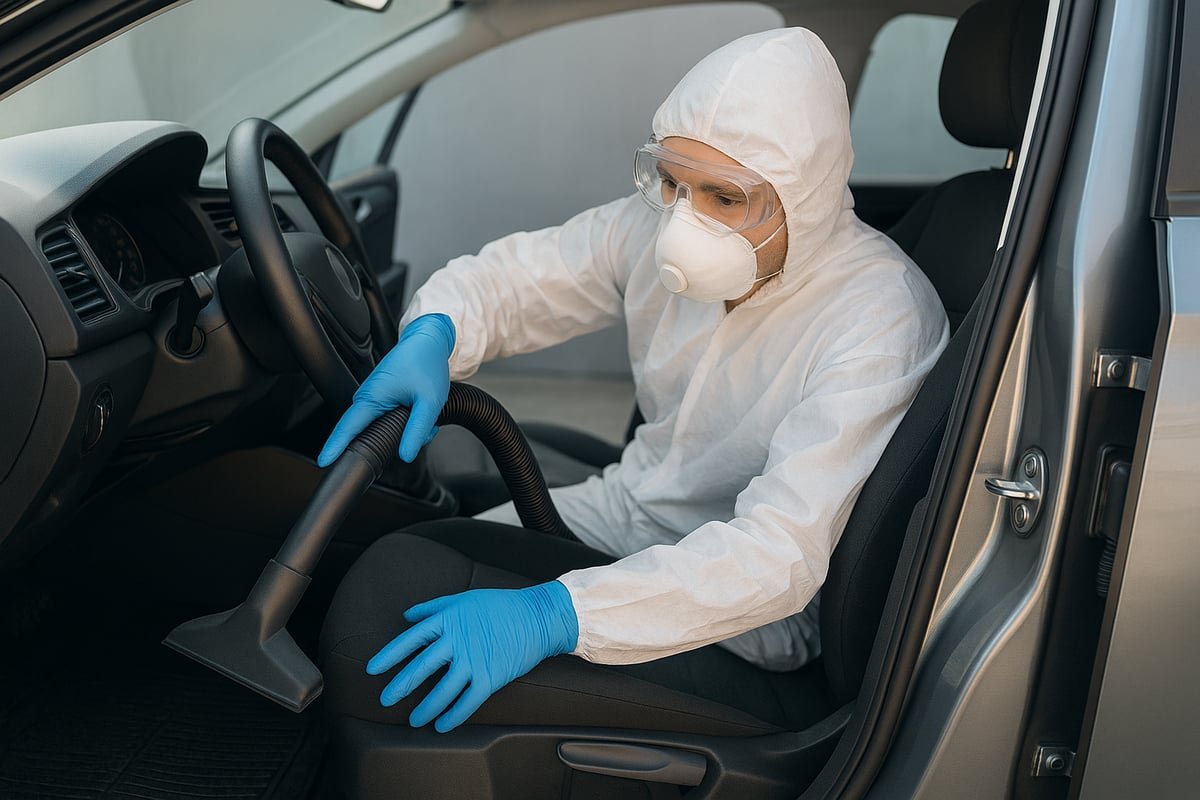
Personal Safety Precautions
When beginning mold removal for car interior, always prioritise your own protection. Mould spores can cause allergic reactions, respiratory irritation, and even infections. Equip yourself with:
- Disposable gloves
- FFP2 or FFP3 respirator masks
- Protective goggles or glasses
Wear long sleeves and trousers to reduce skin exposure. Improper handling can release spores into the air, increasing health risks. Always wash hands and any exposed skin thoroughly after cleaning.
Essential Tools and Materials
Having the right equipment makes mold removal for car interior more effective and safer. Gather these essentials:
- HEPA-filter vacuum for capturing fine spores
- Microfibre cloths for wiping surfaces
- Soft brushes to gently scrub upholstery
- Enzyme-based or anti-fungal cleaners, which break down mould at the source
- Ozone machine for odour neutralisation (optional, for severe cases)
- Sealable plastic bags for contaminated waste
Prepare all tools before starting, ensuring they are clean and in good working order.
Preparing the Vehicle
Open all doors and windows to maximise ventilation. Whenever possible, carry out mold removal for car interior outdoors to disperse airborne spores safely. Remove all loose items such as mats, seat covers, and personal belongings. This step reduces further contamination and provides clear access to affected areas.
Inspect the car thoroughly for signs of water ingress. Pay close attention to door and boot seals, carpets, and the spare wheel well. Damp or musty-smelling areas may indicate leaks that must be addressed to prevent future mould growth.
Pre-Cleaning and Waste Disposal
Begin with a dry HEPA vacuum across all surfaces. Focus on seats, carpets, and hard-to-reach areas where mould tends to settle. Avoid standard vacuums, as they can disperse spores back into the air. Safely bag vacuum bags and any disposable cloths immediately after use.
If you need more detailed guidance on the safest removal steps, refer to this How to get rid of car mould resource for a comprehensive, science-backed approach.
Dispose of all contaminated waste, including gloves and used cleaning materials, in sealed plastic bags. Never shake out items inside the car, as this can spread spores further.
By carefully preparing and following these steps, you lay the groundwork for successful mold removal for car interior and safeguard your health during the process.
Step-by-Step Guide: How to Remove Mould from Car Interior
Facing a mould problem in your vehicle can feel overwhelming, but a methodical approach makes all the difference. This comprehensive step-by-step guide explains the safest, most effective process for mold removal for car interior, ensuring your car is clean, healthy, and free of harmful spores.
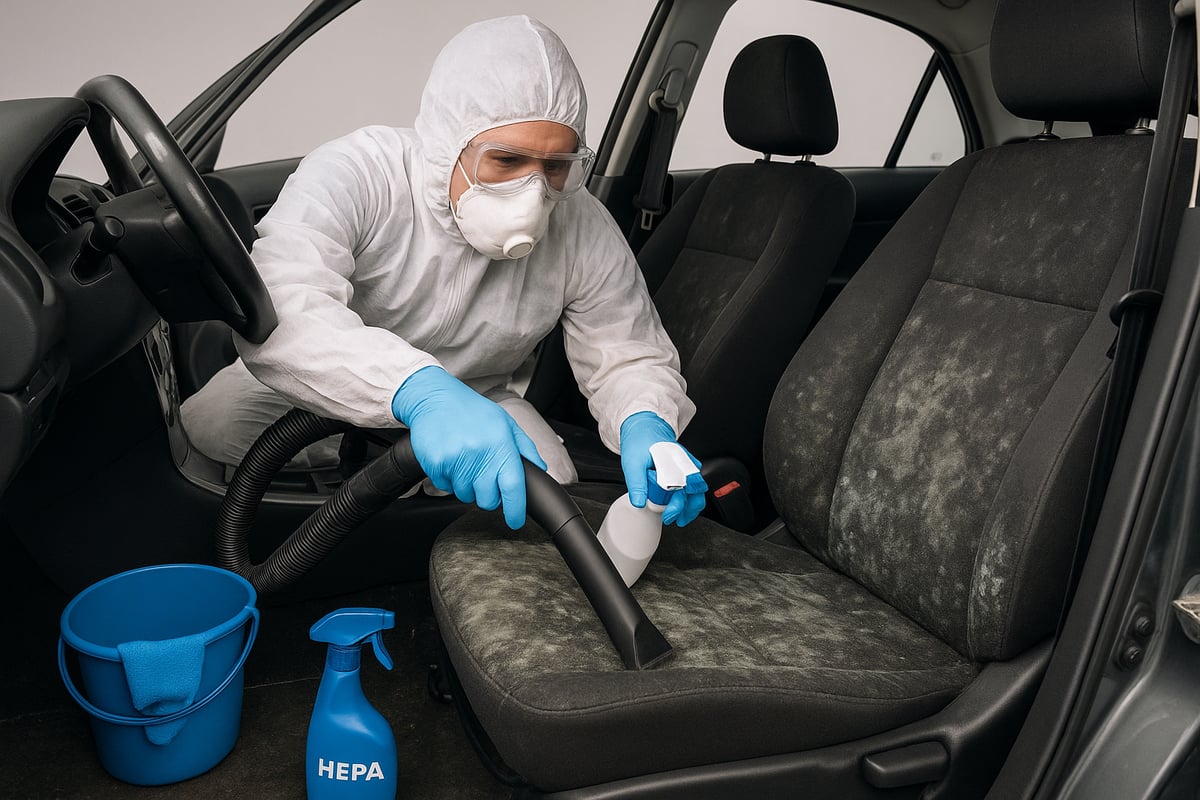
Step 1: Isolate and Assess the Affected Area
Begin mold removal for car interior by carefully isolating the contaminated areas. Inspect seats, carpets, the boot, and air vents, since these are common hotspots for mould development. Look for visible mould spots, discolouration, or areas with a persistent musty smell.
Evaluate the extent of the mould issue. Is it only on the surface, or has it penetrated deeper into fabrics and foam? If the infestation is widespread, or if you have underlying health conditions, it may be safer to consult a professional. Acting quickly minimises health risks and prevents further spread.
Step 2: Dry Out and Dehumidify the Car
Moisture control is essential for successful mold removal for car interior. Place portable dehumidifiers inside the car or use silica gel packs to draw out excess moisture. On dry days, keep doors and windows open to boost airflow and speed up drying.
Be careful not to introduce more humidity during this process. Studies show that two days of continuous dehumidification can reduce mould spore viability by up to 80 percent. Ensuring the interior is completely dry before cleaning helps prevent regrowth.
Step 3: Remove Loose Mould Spores
Start by removing as many loose spores as possible. Use a HEPA-filter vacuum cleaner to thoroughly vacuum seats, carpets, headlining, and even the boot area. HEPA filters are critical in mold removal for car interior because standard vacuums may simply redistribute spores rather than capture them.
When finished, seal and dispose of vacuum bags or filters in a plastic bag to prevent cross-contamination. Take extra care with vacuuming in tight or hidden spots where spores might linger.
Step 4: Apply Mould Removal Solutions
Choosing the right cleaning products is crucial for effective mold removal for car interior. Enzyme-based cleaners, anti-fungal sprays, or a simple white vinegar solution (mixed 1:1 with water) are all proven to work against common car moulds. Always test a small, hidden area first to ensure there is no damage or staining.
Spray the affected surfaces generously and let the solution sit for 10 to 15 minutes. This dwell time is vital for breaking down the mould’s structure. For fabric surfaces, use a soft brush to gently scrub, while hard surfaces can be wiped with a microfibre cloth.
Studies from leading manufacturers confirm that high-quality enzyme cleaners can eliminate up to 99.9 percent of car-related moulds. Remember to keep the area well-ventilated throughout this step.
If you’re looking for more detailed techniques and tips, the Complete car mould removal guide offers an in-depth resource.
Repeat this process if mould stains remain. Persistent areas may require several applications to fully remove all traces of contamination. Always wear gloves, a mask, and goggles when handling chemical solutions.
Step 5: Deep Clean and Extract Moisture
After treating visible mould, deep cleaning is the next phase of mold removal for car interior. Use a steam cleaner or wet extraction machine to penetrate deep into fabrics and carpets. This method lifts embedded spores and removes residues from previous cleaning steps.
Blot any excess moisture with absorbent towels and allow surfaces to air-dry completely. If necessary, repeat the cleaning and extraction process in stubborn spots. Ensuring all surfaces are thoroughly dried is key to preventing future mould growth.
For added protection, consider using a wet-dry vacuum to extract any remaining water from carpets and seat padding. This step is particularly important in vehicles that have suffered from leaks or flooding.
Monitor humidity levels as you work. Using a portable hygrometer can help you verify that the car interior remains below 60 percent relative humidity, a crucial threshold for mould prevention. Consistent monitoring during and after cleaning is a best practice.
Step 6: Neutralise Odours and Kill Remaining Spores
Even after visible mould is gone, lingering odours and hidden spores may remain. Use an ozone machine or a dedicated odour neutraliser designed for car interiors. Ozone treatment is highly effective for mold removal for car interior because it penetrates vents, upholstery, and even hard-to-reach spaces.
However, ozone must be used with caution. Only trained individuals should operate ozone machines, as improper use can be hazardous. If unsure, consult a professional service for this step.
For day-to-day maintenance, regular use of odour-neutralising sprays can help keep the car smelling fresh and discourage future mould growth.
Step 7: Replace or Restore Severely Affected Materials
Sometimes, mold removal for car interior is not enough to salvage every component. If carpets, seat foam, or insulation are heavily infested, replacement may be the only safe option. Persistent odours or stains often indicate deep-seated mould that cannot be fully removed.
Professional reupholstery services can restore interiors to a like-new condition. Always dispose of contaminated materials safely by sealing them in heavy-duty plastic bags before discarding.
If you find structural leaks or recurring dampness, address these issues before installing new materials to prevent a repeat infestation.
Professional Mould Removal vs DIY: When to Call the Experts
Discovering mould in your vehicle can be unsettling, but deciding between DIY and professional mold removal for car interior is a crucial step. Understanding the differences helps ensure you choose the safest and most effective solution for your needs.
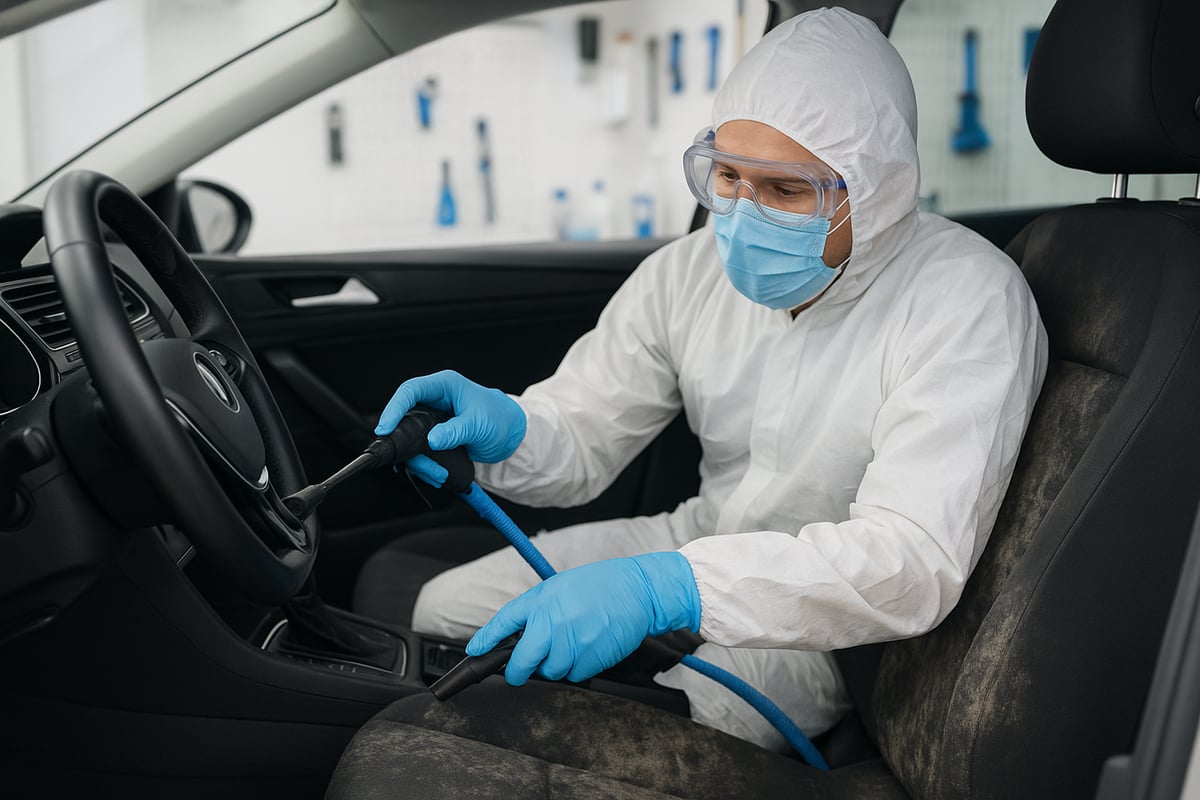
DIY Mould Removal: Pros and Cons
Many car owners attempt mold removal for car interior using household products or basic cleaning tools. The appeal lies in lower costs and immediate accessibility.
However, DIY approaches have limitations. Incomplete removal is common, as spores can linger in fabrics, air vents, or beneath carpets. This can lead to recurring issues and potential health risks, especially if personal protective equipment is not used correctly.
DIY cleaning may also expose you to allergens and spores during the process. For minor, surface-level mould, you may succeed, but deeper infestations require more than standard home cleaning supplies.
When to Call the Professionals
There are specific situations where professional mold removal for car interior is essential. If the mould has spread widely, returns after cleaning, or is accompanied by persistent dampness or leaks, expert intervention is advised.
Professionals use advanced equipment such as industrial HEPA vacuums, ozone machines, and specialised anti-fungal treatments. Their expertise ensures all affected areas, including hidden spots and ventilation systems, are treated thoroughly. For those seeking a reliable solution, Professional car mould removal services in Manchester provide comprehensive, science-backed treatments for peace of mind.
Choosing experts also offers health assurances. Trained teams follow strict protocols to minimise exposure and ensure containment of spores during the process.
Cost, Effectiveness, and Long-Term Value
Comparing costs is important when considering mold removal for car interior. While DIY methods may cost between £20 and £100, professional services typically range from £80 to £300 or more, depending on severity.
| Method | Typical Cost | Effectiveness | Safety Protocols |
|---|---|---|---|
| DIY | £20-£100 | Moderate | Basic, self-managed |
| Professional | £80-£300+ | High | Strict, expert-led |
Industry surveys show professional treatments can reduce mould recurrence by up to 90 percent compared to DIY. For busy car owners, professionals also bring convenience, saving you time and ensuring a healthier driving environment.
Selecting the right approach to mold removal for car interior depends on the extent of contamination, your health, and the value you place on long-term prevention.
Preventing Mould Regrowth: Maintenance and Proactive Tips
Keeping your vehicle mould-free requires consistent effort and attention to detail. By following structured maintenance routines and adopting proactive strategies, you can significantly reduce the risk of regrowth after mold removal for car interior. Prevention is not just about keeping things clean—it is about creating an environment where mould simply cannot thrive.
Regular Cleaning and Quick Spill Management
Routine cleaning is the foundation of mould prevention. Vacuum the seats, carpets, and floor mats weekly to catch dust and organic debris that can feed mould. Wipe down hard surfaces with a microfibre cloth and a mild cleaner.
Act quickly when spills occur. Even small amounts of moisture left in seat fabric or carpet can start the mould lifecycle. Blot up liquids immediately and allow surfaces to dry fully. Family vehicles or those with pets benefit from more frequent attention, as organic residue accelerates mould growth and increases the need for mold removal for car interior.
Moisture Control and Ventilation
Moisture is the key driver behind most vehicle mould problems. Regularly inspect door seals, windows, and the boot for leaks or signs of dampness. Repair any issues promptly to keep the interior dry.
Use portable dehumidifiers or moisture-absorbing packs, especially during Manchester’s rainy months. After cleaning, open the doors and windows on dry days to let the car air out. Good airflow helps prevent condensation on glass and upholstery, further reducing the chance you will need mold removal for car interior.
Anti-Mould Products and Advanced Treatments
Applying anti-mould sprays to upholstery and carpets adds a preventative layer against spores. For persistent odours or after a known mould incident, consider advanced solutions like ozone treatments.
Ozone generators can reach into vents and hidden areas, neutralising odours and killing remaining spores. For a deeper look at how ozone works, see this detailed overview of ozone treatment for car interiors. Air purifiers designed for automotive use can also minimise airborne spores, supporting your ongoing mold removal for car interior efforts.
Seasonal Tips, Storage, and Monitoring
Autumn and winter pose extra challenges, especially in Manchester’s damp climate. Take extra care to dry wet coats, umbrellas, or sports gear before storing them in the car. Never leave windows or sunroofs open when parked, as unexpected rain can quickly introduce excess moisture.
Schedule regular professional valeting—industry data shows cars with routine deep cleaning are 70% less likely to face repeated mould issues. Periodically inspect hidden areas like under mats or seats for early warning signs. Early intervention is vital for effective mold removal for car interior and long-term peace of mind.
The Latest Innovations in Car Mould Removal (2026)
Car owners today expect more than just basic cleaning when it comes to mold removal for car interior. The field has seen rapid innovation, with new products and technology making the process safer, more effective, and eco-friendly.
Next-Generation Cleaning Products and Smart Detection
The latest anti-microbial solutions have transformed mold removal for car interior. Enzyme-based sprays now break down fungal spores at the molecular level, reducing reliance on harsh chemicals. Many of these products are biodegradable, supporting a greener approach.
Smart sensors are another breakthrough. Installed discreetly, these devices monitor humidity and air quality, alerting drivers to conditions that could foster mould. Some systems even provide real-time data via mobile apps, making it easier to take preventative action.
Advanced Methods: Ozone, UV-C, and Laser Treatments
Ozone and UV-C treatments are now standard in professional mold removal for car interior. Ozone generators neutralise odours and kill spores in hard-to-reach areas, including air vents and under seats. UV-C light devices, meanwhile, destroy mould DNA on contact, making the process both fast and thorough.
Laser cleaning is emerging as a future-forward solution for automotive applications, offering a contactless, residue-free way to remove mould from sensitive materials. For more on these advances, see the Innovations in car detailing 2025 article, which explores recent techniques and their impact on vehicle hygiene.
| Method | Traditional Approach | 2026 Innovation |
|---|---|---|
| Cleaning Agent | Bleach, vinegar | Enzyme-based, eco-friendly |
| Detection | Visual, odour | Smart sensors, app alerts |
| Treatment | Manual scrubbing | Ozone, UV-C, laser cleaning |
Automation, Regulatory Trends, and What’s Next
Fleet operators are investing in AI-driven robots for mold removal for car interior, especially in busy city fleets. These robots can clean multiple vehicles overnight, ensuring consistent hygiene. Manchester’s taxi industry, for example, has adopted automated ozone cleaning to protect drivers and passengers.
Regulatory bodies are also raising the bar. Used car dealers now face stricter rules on mould disclosure and hygiene standards. In 2025, self-diagnosing air conditioning systems began rolling out, flagging mould risks in real time.
Looking ahead, experts predict:
- Wider adoption of AI-powered cleaning robots
- Smarter in-car air purification systems
- Universal sensor integration for early mould detection
- Even stricter hygiene regulations for used vehicle sales
As innovation accelerates, mold removal for car interior will only become more efficient, safer, and accessible for every car owner.
If you’ve just discovered mould in your car or want to make sure your vehicle stays fresh and healthy, remember you don’t have to tackle it alone. At Rinse Works Mobile Valeting, we bring expert mould removal and deep cleaning right to your doorstep in Manchester, using the latest science-backed techniques outlined in this guide. You can trust our fully mobile, professional team to restore your car’s interior safely and efficiently, giving you peace of mind and a healthier drive. If you’re ready for a cleaner, safer car, Book Online Today.
1 comment on “Mold Removal for Car Interior: The Expert Guide 2026”