
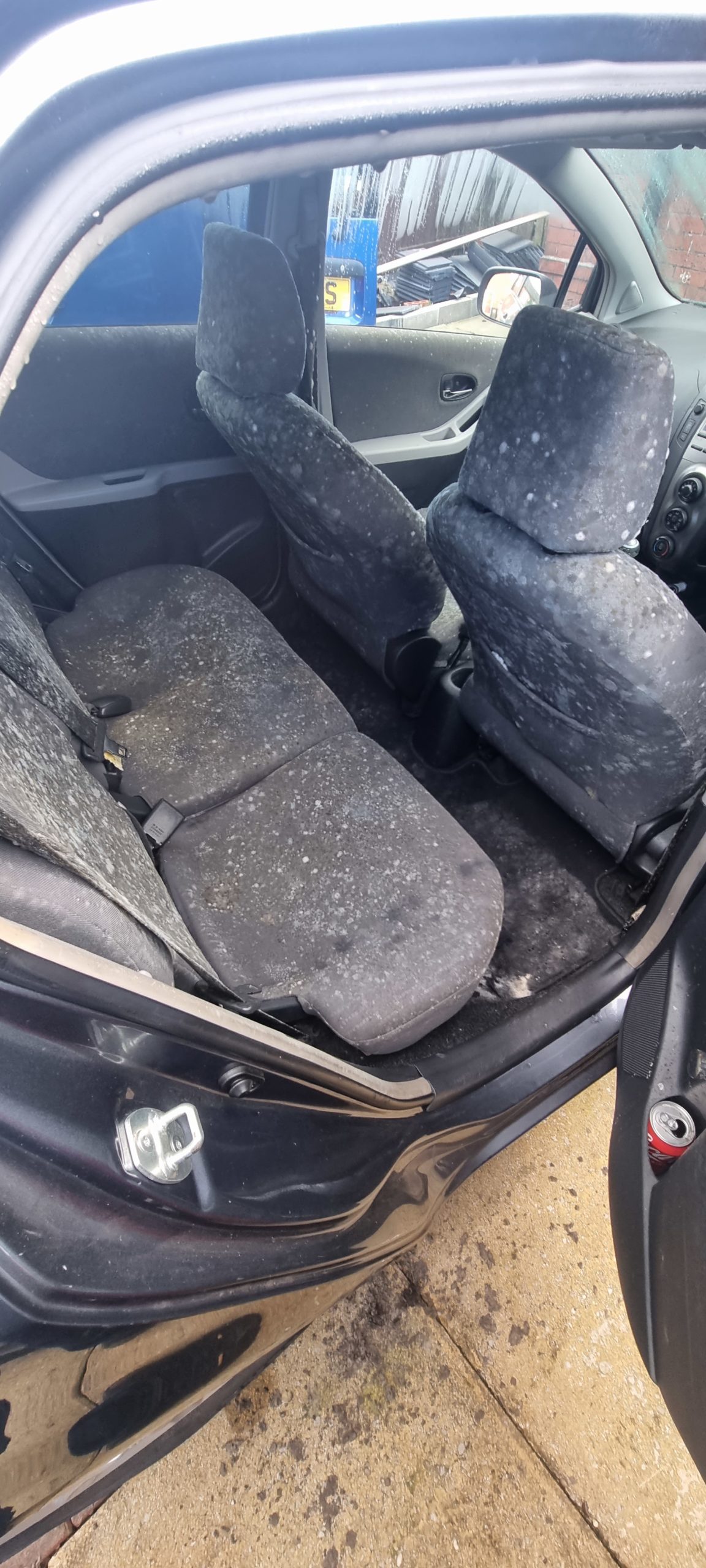
Car mould can significantly affect the interior of a vehicle, compromising aesthetics as well as the health and safety of passengers. Mould growth, often accelerated by high humidity, poor ventilation, and organic residue buildup,...
Car mould can be a persistent issue, especially in humid climates. This guide provides essential steps for effectively removing mould from your vehicle, ensuring a clean and healthy interior. Understanding the causes of mould growth and the best practices for prevention can help maintain your car's condition and your health.
To effectively remove mould, start by identifying the affected areas, which often include upholstery, carpets, and hard surfaces. Use a mixture of vinegar and water or a commercial mould remover designed for automotive use. After cleaning, ensure proper ventilation and consider using a dehumidifier to prevent future growth.
Removing mould from your car is not just about aesthetics; it’s essential for your health and safety. Mould can trigger allergies and respiratory issues, making it vital to address any growth promptly. Regular maintenance can prevent mould buildup and ensure a safe driving environment.
In addition to health concerns, mould can damage your vehicle’s interior materials, leading to costly repairs. By prioritizing mould removal, you protect your investment and enhance the overall driving experience. Regular cleaning and inspection of your car's interior can help mitigate these risks.
For those who prefer a thorough clean without the hassle, professional car valeting services are an excellent option. These services specialize in deep cleaning, including mould removal, ensuring that every nook and cranny is addressed effectively. Professionals have access to specialized equipment and cleaning solutions that can achieve results beyond typical DIY methods.
At Rinse Works Mobile Valeting, we offer tailored mould removal services that cater to your specific needs. Our trained technicians utilize advanced techniques and eco-friendly products to ensure your vehicle is not only clean but also safe for you and your passengers.
Prevention is key when it comes to mould growth in vehicles. Maintaining a dry and well-ventilated interior can significantly reduce the likelihood of mould developing. Regularly cleaning your car and addressing spills or dampness promptly can make a substantial difference.
Consider using moisture absorbers or dehumidifiers, especially during humid seasons. Additionally, parking your car in shaded areas and allowing it to air out after heavy rain can help maintain a dry environment, further preventing mould growth.